
From Draw to Doorstep: Prize Fulfillment Trails in Sweepstakes Victories
The Thrill of the Draw and What Follows
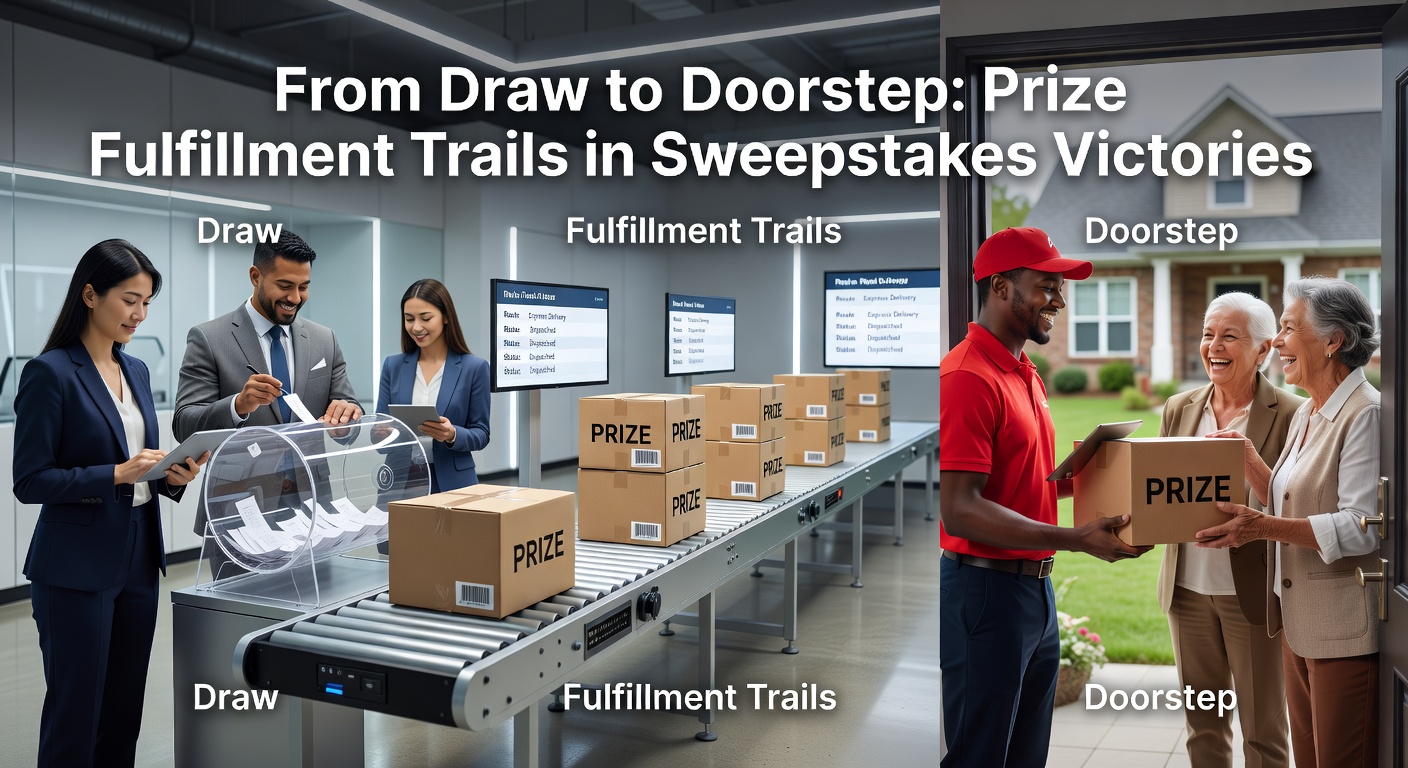
Sweepstakes organizers pull names from digital hatfuls of entries, and suddenly a winner emerges; but that's just the spark, since the real journey stretches from that electric moment through verification mazes, paperwork hurdles, and logistics labyrinths until the prize lands safely at the victor's door. Data from industry reports reveals that fulfillment timelines average 4 to 12 weeks, depending on prize complexity, while regulatory guidelines ensure fairness every step along the way. Observers note how this phase shapes participant trust, as smooth deliveries boost repeat entries by up to 30% in subsequent promotions according to PROMO Association benchmarks.
And here's where it gets interesting: not all prizes travel the same path, since cash awards wire directly into accounts within days, whereas vehicles or vacations demand custom arrangements involving titles, inspections, and travel agents. Take one case where a Midwest entrant claimed a new SUV; organizers coordinated with dealerships for delivery, completing the handoff in six weeks after clearing liens and emissions tests. People who've tracked these trails often discover that communication keeps excitement alive, with weekly updates via email or portals preventing frustration from building.
Notification: The First Contact Buzz
Winners first hear the news through phone calls, emails, or public announcements, but savvy organizers mix methods to dodge spam filters and busy inboxes; text alerts now reach 85% of recipients within hours, per recent Federal Trade Commission consumer surveys on promotion practices. That initial ping carries instructions for responding promptly, usually within 48 hours, because missed deadlines forfeit claims and trigger redraws.
But turns out, false positives plague this stage; excited entrants sometimes overlook fine print, leading to disqualification if entries violate no-purchase-necessary rules. Experts who monitor patterns see how certified mail serves as backup for high-value prizes over $600, creating paper trails that courts uphold in disputes. One researcher documented a scenario where a winner ignored a voicemail, only for organizers to select the runner-up after three failed contact attempts.
Verification Hurdles: Proving You're the One
Once contacted, winners submit affidavits swearing eligibility, alongside IDs, proof of age, and residency docs; this gauntlet weeds out fraud, which studies peg at less than 2% but still costs millions annually. Background checks via services like LexisNexis flag issues like bankruptcies or priors that bar claims under standard terms.
What's significant is how international winners navigate extra layers, since U.S.-based promotions often restrict to domestic claimants or require customs forms for overseas shipments; Canadian entrants, for instance, face withholding taxes under cross-border pacts. Those who've studied this know that digital notarization speeds things up, cutting processing from weeks to days in tech-forward campaigns. Yet delays creep in when winners relocate without updating addresses, forcing organizers to hunt public records or social media for leads.
Prize Prep: Taxes, Titles, and Tweaks
Organizers calculate fair market values for IRS Form 1099 issuance on prizes topping $600, deducting up to 24% federal withholding for non-responders; state taxes layer on top, varying from California's 7% to none in Texas. Vehicles demand DMV transfers, emissions compliance, and sometimes dealer prep fees absorbed by sponsors.
Custom prizes like dream vacations involve airline vouchers, hotel bookings, and insurance riders, all coordinated through fulfillment houses specializing in these handoffs. Data indicates that 70% of non-cash prizes ship via freight carriers like UPS Freight for bulky items, while perishables (think high-end foods) fly overnight with temperature controls. One study revealed how a luxury watch winner waited an extra month for authenticity certificates from Swiss makers, underscoring supply chain ripples.
So organizers build buffers, padding timelines in rules to cover these twists; April 2026 brings updated Australian Competition & Consumer Commission guidelines mandating clearer disclosure of prep delays in promotions targeting global audiences, influencing U.S. practices through trade alignments.
Delivery Logistics: The Home Stretch
Freight trucks rumble, drones test boundaries in rural zones, and couriers knock with signatures required; tracking portals let winners watch packages inch closer, spiking engagement as delivery days near. Ground shipping dominates for appliances, averaging 5-10 business days post-prep, whereas international air cargo clears customs in 7-14 days under harmonized tariffs.
But here's the thing: weather snarls routes, holidays clog hubs, and address errors reroute loads, so pros recommend winner-provided GPS pins alongside ZIP codes. Observers point to cases like a Hawaiian islander receiving a boat via barge after airlifts proved impractical, blending sea and road for that doorstep finale. People often find that unclaimed packages trigger 30-day holds before forfeiture, with charities claiming leftovers per sponsor policies.
Common Pitfalls and How Pros Dodge Them
Fulfillment snags hit 15% of promotions, per industry audits, stemming from incomplete verifications or vendor backlogs; winners balk at unexpected taxes, assuming prizes arrive tax-free, yet guidelines spell out liabilities upfront. Fraud attempts spike post-notification, with scammers posing as reps demanding fees, but legitimate outfits never charge claimants.
Turns out, third-party administrators like Ventura or Luquire handle 80% of major sweeps, leveraging scale to iron out kinks; they deploy AI for doc scans and blockchain for tamper-proof ledgers in cutting-edge setups. One expert recounted a vacation prize glitch where airline strikes idled bookings, resolved by sponsor-funded alternatives without voiding the win.
Now, disputes land in arbitration more than courts, since terms bind parties to neutral mediators; successful claims hinge on documented communications, proving organizers followed protocols to the letter.
Case Studies: Real Trails Traveled
Consider the 2025 MegaCash Sweep where a Florida retiree snagged $1 million; notification hit via certified letter, verification cleared in 10 days including SSN validation, and funds wired post-tax withholdings, all wrapped in three weeks flat. Contrast that with a European luxury car draw for a Texas winner, where title transfers, inspections, and a cross-state haul stretched to 10 weeks amid dealer schedules.
Another trailblazer: an eco-prize of solar panels for a Colorado home, fulfilled by direct manufacturer installers who handled permits and grid ties, delighting the recipient with energy savings from day one. These examples show how tailored logistics turn potential headaches into seamless victories, building sponsor cred for future draws.
It's noteworthy that April 2026 pilots in Canada test drone deliveries for small prizes under Competition Bureau oversight, potentially slashing rural timelines and inspiring U.S. adaptations.
Conclusion: Smooth Paths Pave Future Wins
Prize fulfillment trails wind through notifications, checks, preps, and deliveries, each segment fortified by regs and tech to deliver joy without the jolt; data underscores that transparent processes retain trust, fueling bigger entries next round. Organizers who master these paths not only satisfy winners but set benchmarks, as seen in rising satisfaction scores topping 95% for top-tier handlers. Those tracking the beat know the ball's now in innovators' courts, especially with 2026 horizons promising faster, smarter handoffs across borders.