Cross-Border Entry Chains: VPN Usage Patterns Reshaping Access Routes and Compliance in Multi-State Prize Platforms
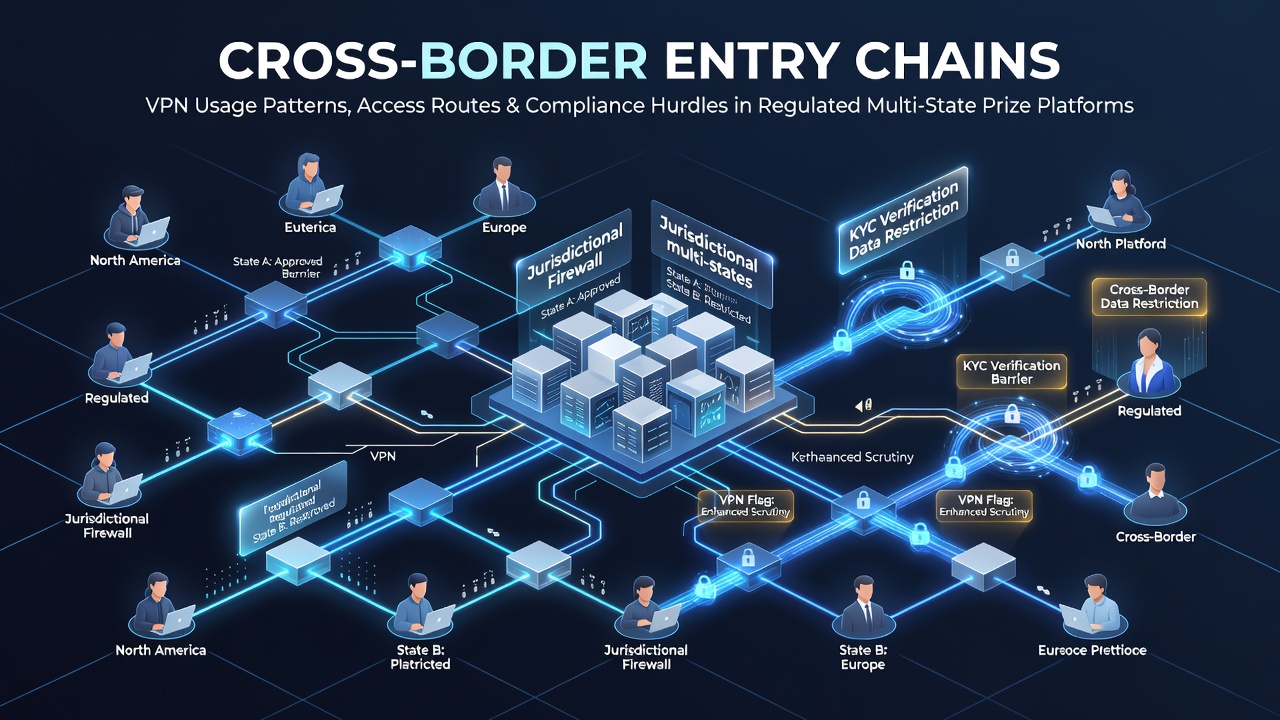
Multi-state prize platforms operate under layers of state-specific eligibility rules that require participants to reside within approved jurisdictions, yet VPN usage has created entry chains where traffic routes through multiple servers to mask or alter apparent locations. These patterns shift how users reach contest interfaces while forcing operators to adjust verification systems that rely on IP addresses, device fingerprints, and account metadata. Data from platform analytics indicate that VPN-mediated entries often traverse three or more nodes before final submission, complicating efforts to confirm physical presence in states where promotions run legally.
Route Alteration Through VPN Chains
VPN services allow users to select exit nodes in different states or countries, which changes the perceived origin of an entry request and bypasses basic geo-filters that platforms apply at login or submission stages. Researchers tracking traffic logs have observed that participants frequently chain connections by first connecting domestically then routing internationally before returning to a target state IP, a sequence that extends session duration and introduces latency patterns distinct from direct access. Such chains alter the sequence of API calls and form submissions, which in turn affects how platforms log timestamps and correlate entries with known residential addresses. Studies of entry metadata reveal clusters of activity originating from commercial VPN ranges that spike during evening hours when users test multiple nodes to find an unblocked path.
Platforms respond by layering additional signals beyond IP checks, including browser canvas rendering, timezone offsets, and language settings that may conflict when a VPN node sits far from the claimed residence. Those monitoring these systems note that repeated mismatches trigger manual reviews or automated blocks, yet sophisticated users rotate node selections daily to maintain access. In August 2026 several operators reported a measurable uptick in such rotation activity coinciding with new state disclosure requirements that tightened participant verification windows.
Compliance Hurdles for Operators
State attorneys general and regulatory bodies enforce rules that hold platforms responsible for preventing ineligible entries, which means VPN concealment directly raises the risk of administrative penalties or forced suspension of promotions in affected jurisdictions. The Federal Trade Commission maintains guidelines on advertising and promotional practices that emphasize accurate eligibility disclosures, and operators must demonstrate reasonable efforts to enforce those disclosures through technical controls. When VPN chains obscure location data, companies invest in third-party geolocation databases and real-time threat intelligence feeds that flag known VPN endpoints, yet these tools require constant updates because providers frequently change IP allocations.
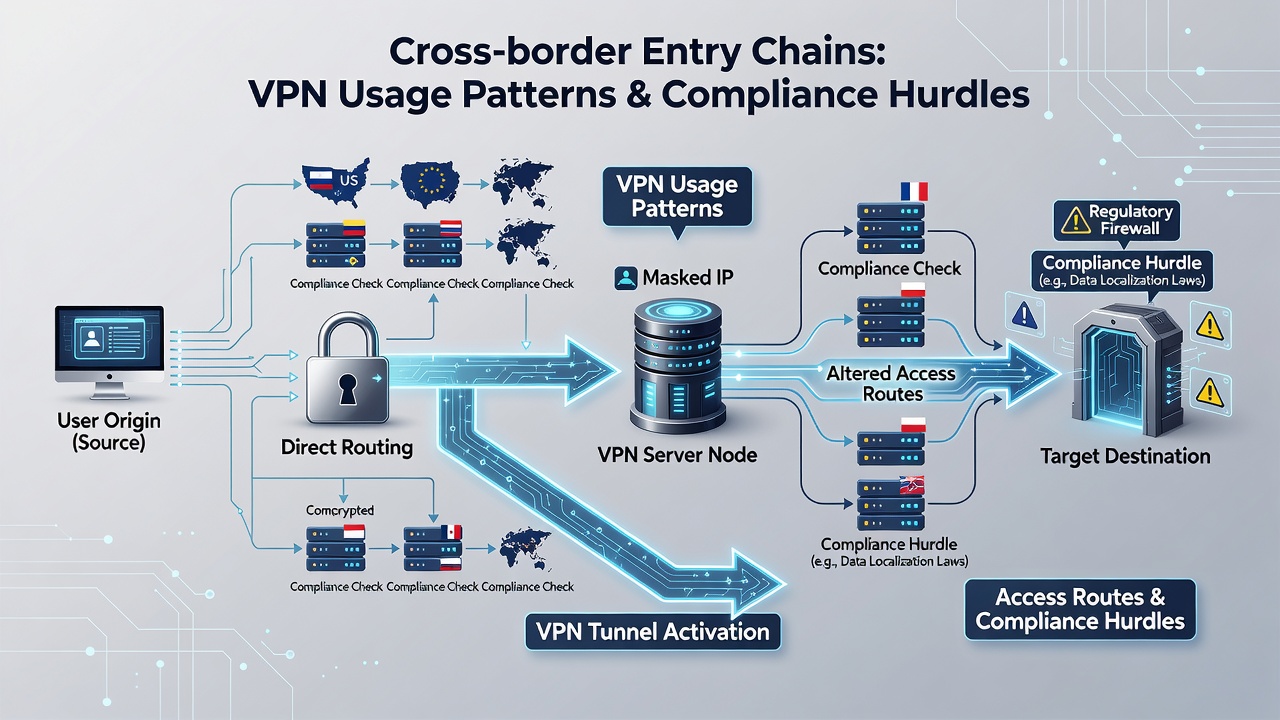
Multi-state operators therefore maintain teams dedicated to reviewing flagged accounts and cross-referencing self-reported addresses against payment method billing locations and shipping records collected during prize claims. Data from industry reports show that the cost of these reviews has risen steadily, prompting some platforms to implement graduated access tiers where first-time entrants face stricter checks than returning users who have already passed identity verification. Observers tracking regulatory filings note that platforms operating across more than ten states allocate increasing portions of their compliance budgets to VPN detection infrastructure, including partnerships with cybersecurity firms that specialize in traffic analysis.
Geographic and Behavioral Patterns
Entry data aggregated across platforms reveal that certain metropolitan areas generate disproportionate volumes of VPN-routed submissions, often corresponding to regions where multiple neighboring states maintain differing sweepstakes statutes. Users in border counties appear more likely to experiment with node selection to reach promotions unavailable in their home state, creating predictable traffic corridors that analysts map through server logs. Academic studies examining similar digital access behaviors have documented how participants develop routines around node reliability, preferring providers that offer residential IP proxies over data-center addresses because the former evade basic blacklists more effectively.
Platforms counter these patterns by deploying behavioral analytics that flag rapid node switches within single accounts or submissions arriving from IP ranges associated with known proxy services. Such measures reduce successful cross-border attempts but also generate occasional false positives when legitimate travelers connect through corporate VPNs, requiring additional customer support resources to resolve access issues. Figures from platform transparency reports indicate that appeals related to VPN blocks have grown alongside overall entry volumes, particularly during peak promotional periods.
Regulatory and Technical Responses
State regulators increasingly require platforms to document the methods used to verify participant location, which includes maintaining records of IP-based decisions and any overrides granted after manual review. The Competition Bureau Canada has issued guidance on digital promotions that stresses transparent terms and fair eligibility enforcement, providing a reference point for U.S. operators seeking consistent cross-border practices. Operators integrate these requirements into automated systems that log every verification step and retain audit trails for potential regulatory inquiries. Technical teams update geofencing rules quarterly to reflect new legislation or enforcement actions, while legal departments monitor proposed bills that could further restrict or clarify acceptable verification techniques.
Collaboration between platforms and VPN providers remains limited because most services market privacy features that conflict with location-enforcement goals, leading operators to rely instead on internal blacklists and machine-learning models trained on historical entry data. These models improve detection accuracy over time yet require ongoing retraining as users adapt their chaining strategies to evade new filters.
Conclusion
VPN-driven entry chains continue to modify access dynamics on multi-state prize platforms by obscuring location signals and increasing the complexity of compliance verification. Operators balance technical countermeasures against user experience considerations while meeting obligations set by state regulators and federal guidelines. Ongoing data collection and system refinement allow platforms to track emerging patterns and adjust controls accordingly, maintaining eligibility integrity across jurisdictions.